
👩⚕️ What Does a Social Worker Do?
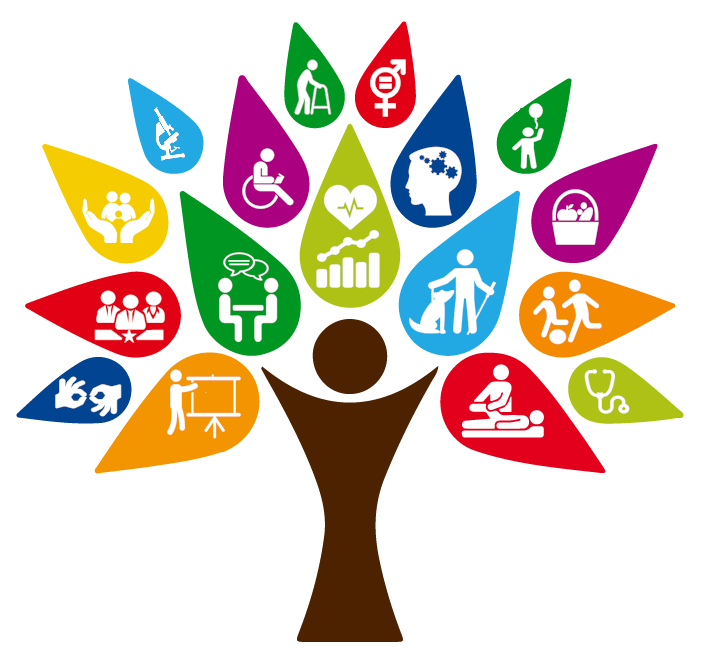
Social workers play a crucial role in creating stronger, healthier communities. They are often on the frontlines, working directly with individuals, families, and communities to help them navigate life’s most difficult challenges. Their role is as diverse as it is vital, offering emotional support, advocating for human rights, and connecting people to critical services.
The Key Areas Social Workers Address
Social workers assist in a wide range of situations, including:
-
Poverty and Homelessness: Helping vulnerable populations access housing, financial aid, and community resources.
-
Mental Health Issues: Providing counseling, crisis intervention, and connecting individuals to mental health services.
-
Family and Domestic Violence: Supporting survivors, offering safety planning, and linking them to shelter and legal services.
-
Substance Abuse: Assisting individuals struggling with addiction through rehabilitation referrals, counseling, and support programs.
-
Child Protection: Advocating for the safety and well-being of children, working within legal and welfare systems to protect at-risk youth.
By addressing these complex social issues, social workers create tangible change in people’s lives and foster stronger, more resilient communities.
How Social Workers Make a Difference
Social workers are trained to provide:
-
Counseling and Emotional Support: Offering guidance during personal crises or ongoing challenges.
-
Advocacy: Speaking up for the rights of vulnerable groups within legal, medical, and social systems.
-
Connecting to Services: Helping clients access housing, healthcare, education, employment, and financial support.
-
Crisis Intervention: Responding to urgent situations such as abuse, homelessness, or mental health emergencies.
Their work often results in life-changing outcomes for those they assist, making it one of the most emotionally rewarding and socially impactful careers.
🌟 Where Do Social Workers Work?
Social workers are employed across a variety of sectors, giving graduates plenty of options based on their interests and passions.
Common Workplaces for Social Workers Include:
-
Government Agencies: Working in child protection services, family support programs, housing departments, and social justice initiatives.
-
Hospitals and Schools: Supporting patients and students through counseling, advocacy, and access to healthcare or educational resources.
-
Non-profits and NGOs: Assisting vulnerable communities, including refugees, Indigenous populations, and individuals facing disadvantage.
-
Community Service Organizations: Managing programs that support aged care, disability services, youth work, and mental health initiatives.
This diversity of workplaces ensures social workers enjoy stable employment, high demand, and meaningful career progression. Whether it’s through public service or grassroots community work, social workers are deeply respected for the vital role they play in society.
Final Thoughts
Becoming a social worker isn’t just about having a job — it’s about making a real difference. With strong job prospects, emotional rewards, and broad career opportunities, social work offers a fulfilling path for those passionate about helping others thrive.